What Is a Talent Management System?
How many spreadsheets, tools and systems does your HR team use every day? If you can’t count in numbers, you are not the one. Every business relies on people to manage its teams and drive growth. Skills are upgrading nowadays, and employees expect more transparency. Here, a company needs a better solution to manage it efficiently. Many business owners want to know what a talent management system is and why it is becoming so popular today. So, here we come with this guide, which explains how the talent management system works, why it matters to run a business and everything you need to know.
What Is a Talent Management System?
A talent management system is software that helps manage employees across their work journey, such as hiring, onboarding, performance, and development. The talent management system definition is simple. This tool is a planned, structured solution to manage data in one place and also to make the right decisions. Instead of manual tracking, leaders can track everything that stays connected. It will make the work easier, faster and hassle-free. Now, managers can work headache-free and no longer chase for files or emails. Over time, it helps the business to become more balanced and efficient.
Key Components of a Talent Management System
A strong system includes several important features. Each part supports a stage to manage people efficiently.
Common components include:
- Recruitment tools: These help to attract and screen candidates.
- Onboarding systems: The new hiring process settles down faster.
- Performance tracking: Managers review the goals and progress.
- Learning and development: Employees learn skills and get trained over time.
- Succession planning: Future leaders are identified at an early stage.
- Employee data management: Records and documents stay organized and secure.
Not every business needs all the features, it looks for customization according to the team size and goals accordingly.
How a Talent Management System Works
This system works by streamlining people’s data properly. All the employee information stays in one place. Without wasting time on searching folders and files, managers and HR can access the documents quickly.
Here is how it usually flows:
- A candidate applies through the system.
- HR reviews and shortlists applicants.
- New hires complete onboarding steps.
- Managers set goals and track progress.
- Employees receive training and feedback.
- Performance reviews happen on schedule.
Each step connects smoothly, and this reduces confusion and delays. Automation also helps ensure consistency and reviews happen on schedule. Training reminders go out on time, and this keeps teams aligned to work properly.
Top Benefits of a Talent Management System
The benefits of talent management system link everyday workflows with business outcomes and show better results over time. It helps the companies to hire top-class talent, engage them fully, and prepare them for a future leadership.
Here are Key benefits which include:
Standardized Pay
A talent management system helps to keep the pay structures consistent. It ensures employees with similar roles and skills receive fair compensation. This reduces confusion and supports transparency across teams.
Unified Planning
All workforce planning happens in one place. Hiring needs, growth plans, and succession goals stay aligned. This helps leaders plan with fewer gaps and surprises.
Faster Compensation
Salary reviews, bonuses, and adjustments move more quickly. Automated workflows reduce delays and manual errors. Employees receive updates on time, which builds trust.
Clearer Communication
Goals, feedback, and expectations stay visible. Employees know what matters and where they stand. Managers communicate updates without repeated follow-ups.
Smarter Decisions
Data-backed insights support better choices. Leaders can track performance, skills, and trends easily. This helps guide promotions, training, and future hiring plans with confidence. It impacts both employees and leadership to improve. Over time, this leads to better results.
Here is a simple comparison table:
| Area | Without System | With System |
|---|---|---|
| Hiring | Manual tracking | Centralized process |
| Reviews | Inconsistent | Scheduled and clear |
| Training | Scattered | Organized records |
| Planning | Reactive | Proactive insights |
This table shows how structure improves daily operations.
Who Should Use a Talent Management System?
These systems work for various types of companies. Size does not matter as much as structure.
Common users include:
- Growing small businesses
- Mid-sized companies
- Large enterprises
- Remote teams
- Multi-location organizations
Any company managing people at scale can benefit. Even teams with limited HR staff see value and the difference. Clear systems can reduce guesswork and headaches.
How to Choose the Right Talent Management System
Choosing the right system takes planning, and not every tool can fit into your business. So, choosing wisely will grow your business efficiently. Here are some helpful tips:
- Identify your needs and requirements first: Focus on hiring, training, or performance.
- Check how convenient it is to use: Simple systems get used more.
- Look for scalability: The system should grow with you.
- Review reporting features: Data should be easy to understand.
- Ensure security standards: Employee data must stay protected.
- Test support options: Help should be easy to reach.
A good system supports both today and tomorrow and also fits your team culture and environment.
Conclusion
Managing people requires clarity and consistency. People look for the answers, what is talent management system? It helps businesses attract talent, support growth, and plan for the future.
When teams feel supported, they perform better. When leaders get data without any confusion, they make better decisions. This creates balance across the organization.
For companies seeking expert guidance on people systems and workforce planning, Jarrar CPA offers professional support tailored to business needs.
FAQ’s
What is a talent management system in simple terms?
A talent management system is software that helps businesses manage employees in one place. It supports hiring, training, performance tracking, and growth. It makes managing people easier and more organized.
What are the main features of a talent management system?
The main features include hiring tools, onboarding, performance reviews, training programs, and employee records. These features work together to support employees throughout their time at the company.
What are the benefits of a talent management system?
It saves time and reduces manual work. It improves hiring decisions and employee performance. It also helps keep employees engaged and supports long-term workforce planning.
Who uses a talent management system?
HR teams, managers, and business leaders use these systems. They are common in small businesses, growing companies, and large organizations. Any company managing people can benefit.
Is a talent management system the same as HRIS?
No, they are not the same. An HRIS focuses on employee records and payroll. A talent management system focuses on hiring, development, and performance. Many companies use both together.
Streamline Your Payroll With Small Business Payroll Services

Should you invest in payroll services online for small businesses? There are different reasons why you must consider searching and pricing.
We expect business owners expected to be a jack of all trades on any given day. Though staying busy as well as tackling challenges may be exciting, it can be overwhelming at times. All this is because you cannot be an expert in everything you do.
The key to finding balance is knowing which tasks to delegate. One of the ideal ways to streamline operations is to save time in partnering with a third-party provider for solving problems.
Business owners who choose payroll services get to enjoy the perks of saving time and money. Are you wondering how to do payroll for my small business? Let us see how payroll helps first.
Schedule A Consultation Today!
1. Payroll Expertise
Professional payroll companies employ individuals who know payroll processing within and out. The individuals specialize in several complexities of payroll processing and taxes and compliance with government regulations.
- Updating W-9 forms and adjust accurate tax deductions.
- Manage involuntary and voluntary employee withholding and submitting them to a government entity.
- Calculate and submit yearly and quarterly year-end payroll tax.
2. Payroll Services Help Save Money And Time
The most expensive asset in any business is the people. Hiring the right staff is essential for the success of your business and for operating within the budget.
Thankfully, choosing a payroll system means not only paying the employees efficiently but also automating some of the human tasks. Now you have an idea regarding how to do payroll for small business online.
3. Payroll Providers Maintain Employer Compliance
Working with professional full-service providers comes with its perks. As part of the payroll packages, they will provide resources and services essential to your small business.
It includes some services you probably may have never thought of. With offering such as state unemployment insurance, garnishment payment service, the experts address the complex and requirements for the business.
4. Payroll Providers Manage People And Recruitment
Schedule A Consultation Today!
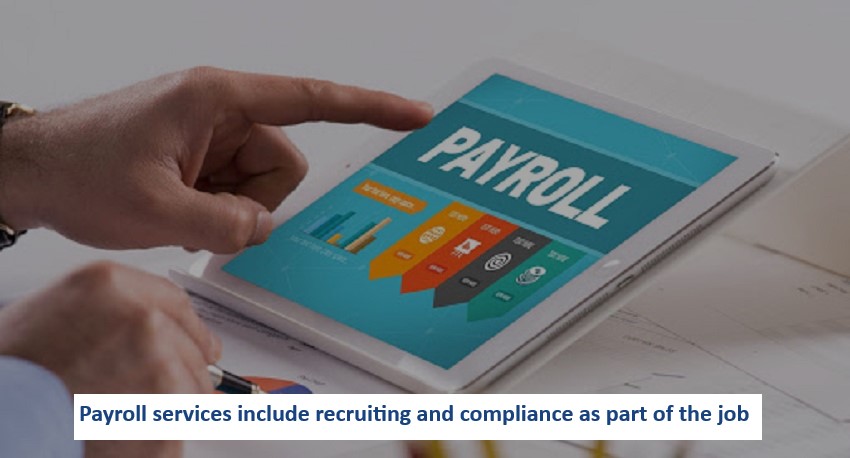
Compliance, recruiting, and benefits are areas payroll services that can assist you with their experts. Check out the steps and the related costs of taking an employee on board, sourcing, job posting, tracking applicant, conducting background checks, etc.
These tasks don’t come cheap and often require extra help from agencies. The cost of adding a new employee can go up to $4000.
Comparing the cost with the amount you’ll spend on the payroll- which you need in some form to pay employees- gives way to hiring payroll services. The advantage payroll services are more than this.
5. Payroll Help Avoid Unnecessary Fees And Fines
Payroll Penalties And Tax
When small businesses think about the IRS, annual Form 1120 comes to their mind and the risk of an audit. Though you cannot avoid taxes, you can lower the audit risks. It is common for the IRS to enforce penalties for tax mistakes.
The IRS in 2016 had assessed $2.1 million as penalties against business income tax filers. As soon as you have just one employee on your business payroll, you have taxes due to the IRS as federal income tax, social security tax, and more.
Failing to pay these taxes timely becomes expensive. The US business owners were fined more than $6 million for employment tax error in 2015.
One of the benefits of payroll services is that the expert can assist you in every possible way to keep you safe from IRS audits.
401k Staff Salary Deferral Penalty

If you plan on providing retirement benefits to your staff, including a 401 (k) plan, there are many extra potential payroll-related errors you need to be aware. The staff salary deferral gets deposited into the person’s retirement account within a week of payroll.
Depositing the funds even one day late can make you an offender in the eyes of the IRS and can trigger 401(k) plan audits.
If you are thinking of how to set up payroll for my company, talking to an experienced company can help.
Finally, when you are launching a business, it is easy to think you are too small to need payroll services, but investing in team up with an industry expert can ease your business hassles.
Related Article: What You Must Know About the Payroll Mistakes?
Contact Us Today:
Locations: